When someone in your city searches for the type of business you run, do they find you? If you're not actively optimizing for local search, the answer is probably no — and that's customers and revenue going to competitors who've done the work you haven't yet.
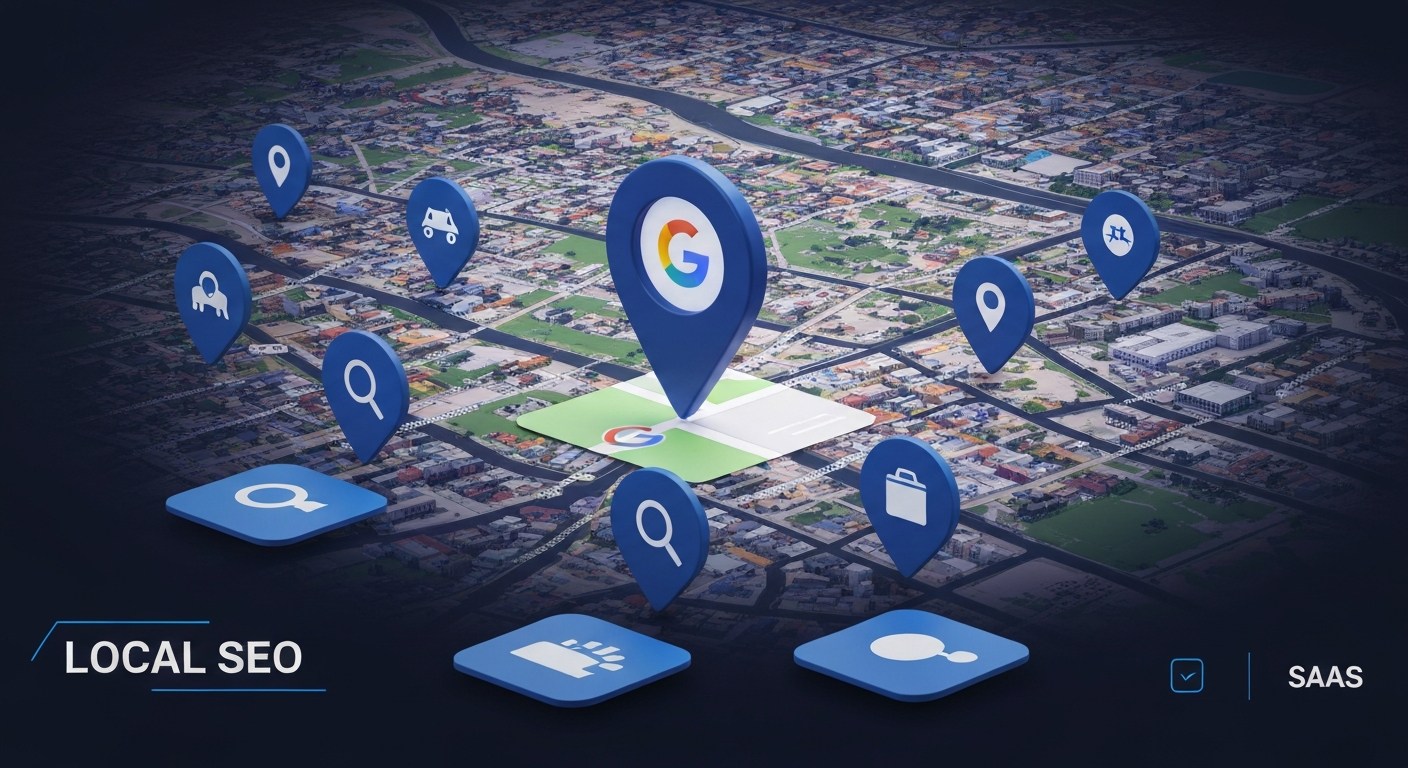
Local SEO is the practice of optimizing your digital presence to appear prominently in local search results — particularly the Google Maps pack that appears above organic results for location-specific searches. For businesses that serve a specific geographic area, local SEO is often the single highest-ROI marketing activity available. This guide covers everything you need to do to claim your position at the top of local search in your city.
How Local Search Works
Google determines local search rankings based on three primary factors:
- Relevance: How well does your business match what the user is searching for? This is determined by your Google Business Profile categories, your website content, and the keywords you're associated with.
- Distance: How close is your business to the searcher (or the location mentioned in the search)? This is partially outside your control, but your service area settings affect it.
- Prominence: How well-known and authoritative is your business? This is influenced by review quantity and quality, citations, links, and overall online presence.
Your local SEO strategy should address all three factors systematically.
Step 1: Optimize Your Google Business Profile
Your Google Business Profile (GBP) is the single most important local SEO asset you have. It's the information that appears in the Maps pack and the Google Knowledge Panel when someone searches for your business or your business type in your area.
Complete Every Section
An incomplete GBP profile ranks lower than a complete one. Fill out every available field: business name, categories (primary and secondary), description (keyword-rich, 750 characters), services, products, hours, phone number, website URL, and booking link.
Choose the Right Categories
Your primary category is the most important categorization signal in Google's local algorithm. Be precise — "Business Launch Consultant" ranks better for business launch searches than "Business Services" which is too generic. Add secondary categories for all your relevant service types.
Write a Keyword-Rich Description
Your GBP description should naturally include your primary keywords: what you do, who you serve, and where you serve them. Don't keyword-stuff — write for humans first, while being deliberate about including the terms your ideal customers would search for.
Add Photos Regularly
Businesses with photos receive 42% more directions requests and 35% more website clicks than those without. Add photos of your workspace, your team, your work, and your results. Update your photo library regularly — Google favors active profiles over dormant ones.
Step 2: Build and Manage Your Review Profile
Reviews are the single most influential factor in local search rankings — and they're also the most powerful trust signal for potential customers doing research. Businesses with more reviews, higher average ratings, and more recent reviews consistently outrank competitors in local search.
Create a Review Request System
Most businesses get reviews inconsistently because review requests happen inconsistently. Build a systematic approach: at every natural moment of client satisfaction — project completion, successful outcome, positive feedback — have a direct link to your Google review page ready to send. Automate this where possible with a post-service email that includes a direct review link.
Respond to Every Review
Responding to reviews (positive and negative) signals to Google that you're an engaged, active business. For positive reviews: thank the reviewer, mention a specific detail from their review, and reinforce your value proposition. For negative reviews: respond calmly, acknowledge their experience, and offer to resolve the issue offline. Potential customers read how you respond to problems just as carefully as they read the problems themselves.
Step 3: Build Local Citations
A citation is any online mention of your business name, address, and phone number (NAP). Citations on authoritative local business directories tell Google that your business is real, legitimate, and established. Key citation sources include: Yelp, Bing Places, Apple Maps, Yellow Pages, BBB, industry-specific directories, and local chamber of commerce websites.
Critical: your NAP information must be exactly consistent across every citation. "123 Main St" on your website but "123 Main Street" on Yelp creates a consistency signal problem that can hurt your rankings. Audit all your citations for consistency.
Step 4: Optimize Your Website for Local SEO
Create Location-Specific Service Pages
If you serve multiple cities or regions, create a dedicated page for each location: "Business Launch Services in [City]." These pages can rank for location-specific searches and support your local SEO strategy. Each page should have unique content, not just the same page with different city names swapped in.
Add Local Schema Markup
LocalBusiness schema markup tells search engines important information about your business in a structured format: your name, address, phone number, business hours, and service area. This structured data helps Google display your information correctly in search results and can improve your click-through rate.
Create Local Content
Publishing content that references your local area helps signal local relevance to Google. This doesn't mean forced local references — it means creating genuinely useful content for your local audience: guides specific to your city, local business spotlights, community involvement, and locally relevant industry insights.
Step 5: Build Local Links
Links from other websites to yours (backlinks) are one of the strongest ranking signals in both local and organic SEO. Local link building focuses on acquiring links from other businesses, organizations, and publications in your area.
Effective local link building strategies include: joining and getting listed on your local chamber of commerce website, sponsoring local events, getting featured in local business publications, partnering with complementary local businesses for cross-promotion, and participating in local business associations.
Putting It Together: Your 90-Day Local SEO Plan
Local SEO is not a one-time project — it's an ongoing process. Here's a focused 90-day plan:
- Month 1: Complete and optimize your Google Business Profile. Audit and fix citation consistency. Set up a systematic review request process.
- Month 2: Build your local citations on the top 20 directories. Optimize your website's local SEO elements. Create your first location-specific content piece.
- Month 3: Begin local link building. Publish two more local content pieces. Review your GBP analytics and optimize based on what's working.
Your website build should include local SEO foundation work from day one — proper schema markup, location-optimized content, and the technical foundation for local search visibility. See our packages to see how we incorporate local SEO into your complete launch.
Infrastructure Deployment
Ready to Deploy Your AI Infrastructure?
Build a scalable business operating system designed for modern growth.