The most successful online businesses all have one thing in common: a well-designed sales funnel. While your competitors are hoping customers will stumble upon their website and magically decide to buy, businesses with strategic funnels are systematically guiding prospects through a carefully designed journey that turns strangers into warm leads, warm leads into engaged prospects, and engaged prospects into paying customers.
This guide breaks down the entire funnel-building process — from understanding the psychology behind each stage to implementing the specific components that drive conversions at every step.
What Is a Sales Funnel?
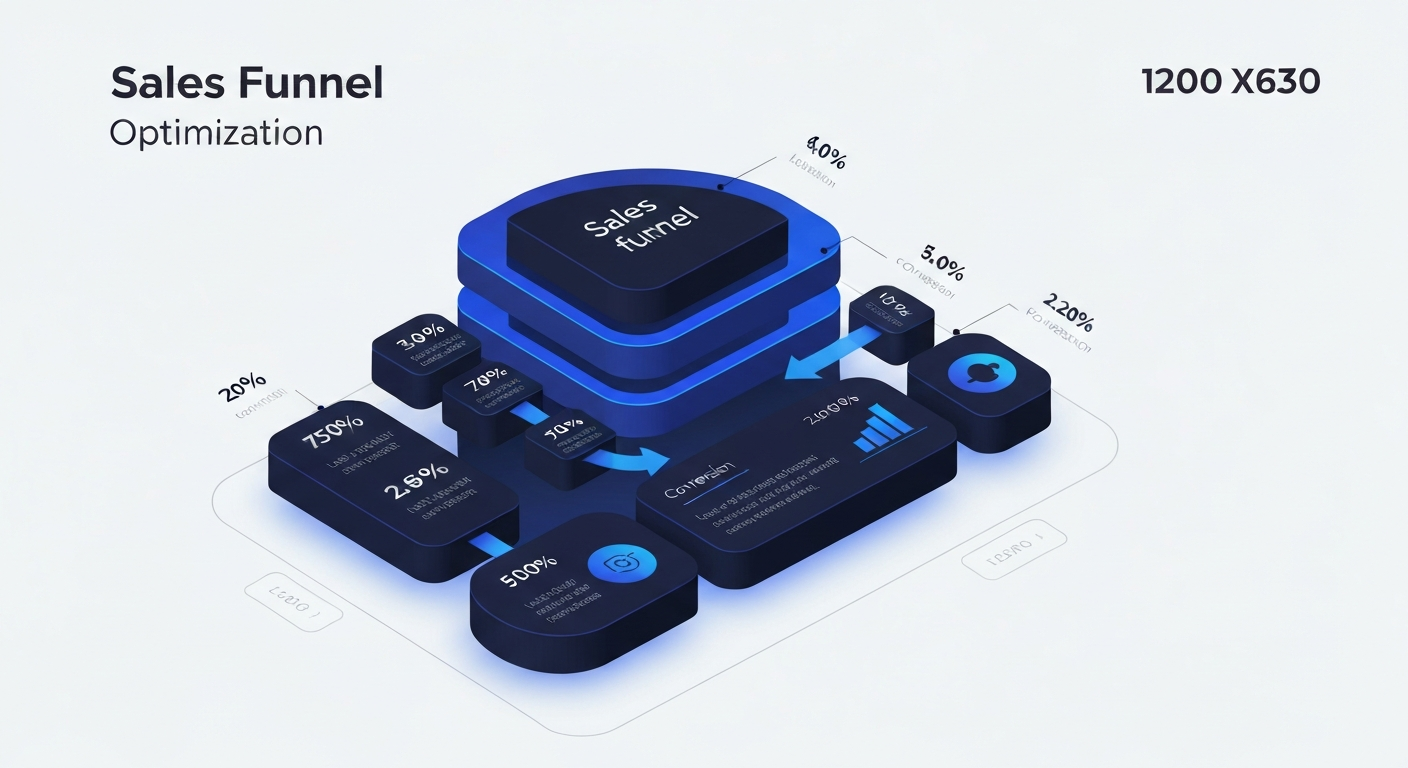
A sales funnel is a systematic process that guides potential customers through a sequence of stages from initial awareness of your business to becoming a paying customer. It's called a funnel because, like a physical funnel, the audience gets progressively narrower at each stage — many people enter at the top, fewer make it to the middle, and the most qualified prospects complete the purchase at the bottom.
Understanding this funnel shape is critical because it means most people who encounter your business won't buy immediately. They need time, information, and trust before they're ready. A well-designed funnel provides all three systematically, on autopilot.
The Four Stages of a High-Converting Sales Funnel
Stage 1: Awareness (Top of Funnel)
At the top of the funnel, your goal is simple: get your ideal customer's attention. They may not know you exist yet, and they may not be actively searching for what you sell. Your top-of-funnel content should target the problems and questions your ideal customer has before they're ready to buy.
Top-of-funnel channels and content types include: blog articles optimized for SEO, social media content, YouTube videos, podcast appearances, paid advertising, and PR. The goal isn't to sell — it's to introduce your brand as a valuable, trustworthy resource. Every piece of content should serve the reader first and promote your business second.
Stage 2: Interest (Middle of Funnel)
Once someone is aware of your business, your middle-of-funnel strategy converts casual interest into genuine consideration. This is where your lead magnet comes in — a valuable free resource (guide, checklist, template, webinar, or free trial) offered in exchange for contact information.
The lead magnet serves two purposes: it delivers immediate value that builds trust, and it gives you permission to continue the conversation via email or SMS. Once you have someone's contact information, you can nurture the relationship with a strategic email sequence that demonstrates your expertise, shares social proof, and naturally introduces your paid offering. This is exactly what our CRM and automation service sets up for you.
Stage 3: Decision (Bottom of Funnel)
At the decision stage, prospects are actively comparing options and evaluating whether your solution is the right fit. Your bottom-of-funnel strategy should remove every possible barrier to purchase and provide the specific information prospects need to make a confident decision.
Bottom-of-funnel content includes: detailed service/product pages, pricing information (transparency builds trust), case studies and specific results, comparison content (why choose you over alternatives), FAQ pages that address common objections, and strong guarantees that reduce perceived risk. Your CTA at this stage should be direct and specific — "Start Your Business Today" or "Get Your Quote Now."
Stage 4: Retention and Advocacy
Many businesses treat the funnel as ending at purchase. The smartest businesses know this is where the most profitable part begins. Retaining customers, generating repeat business, and turning satisfied clients into advocates who refer others is the engine of compounding business growth.
Post-purchase automation sequences that onboard clients effectively, check in proactively, request reviews, and introduce upgrade opportunities dramatically increase lifetime customer value. A single client who refers two others and buys from you three times is worth exponentially more than the same client acquired once. See our packages for how we build this entire customer lifecycle into your automation system.
The Technical Components of a Sales Funnel
Landing Pages
Each stage of your funnel needs purpose-built landing pages optimized for specific conversion goals. Your lead magnet landing page should be focused entirely on delivering value and capturing contact information — no distracting navigation, one compelling offer, one clear CTA. Your sales page should be persuasive, detailed, and objection-handling. Every page has one job.
Email/SMS Automation
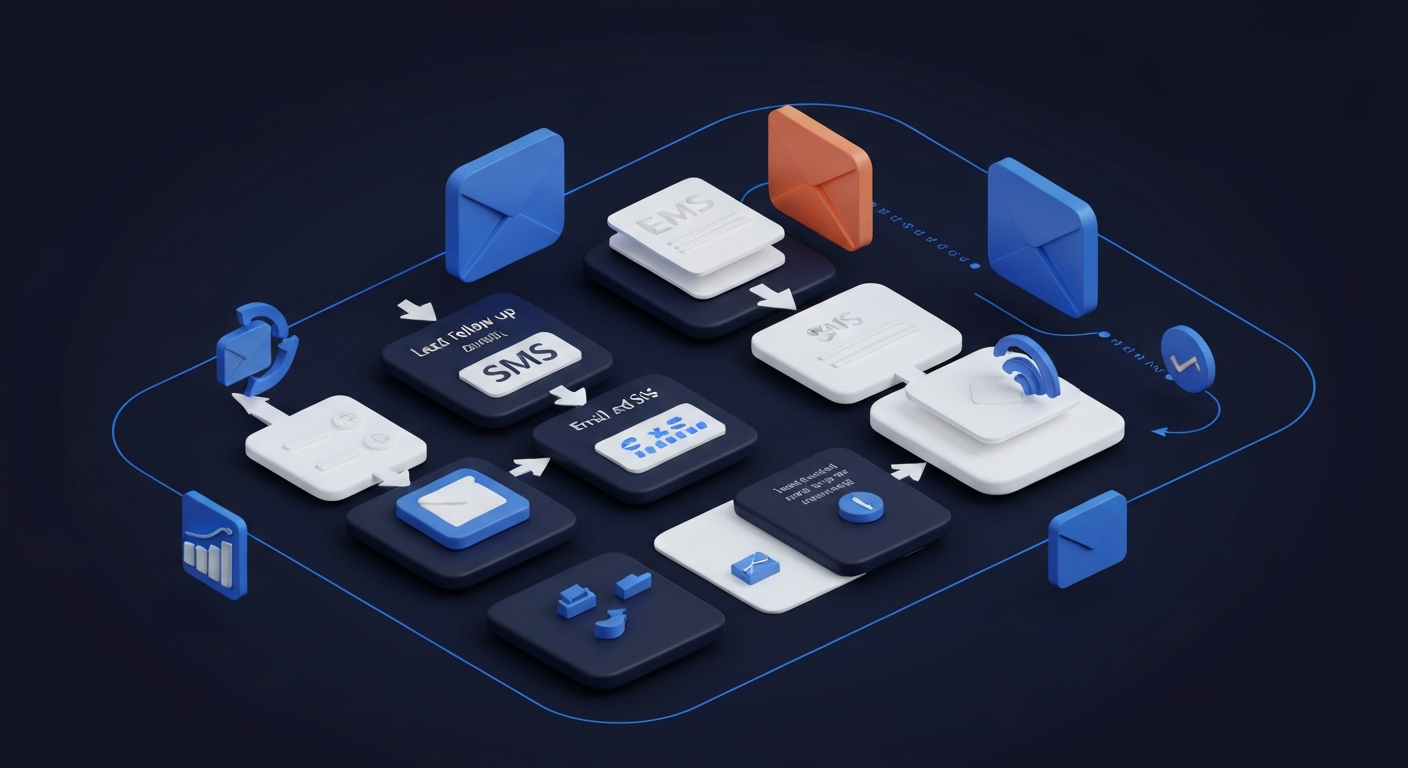
The connective tissue of any high-performing funnel is automated messaging that guides prospects from one stage to the next. This includes welcome sequences (new lead to engaged prospect), nurture sequences (keeping prospects warm over time), proposal follow-ups, and post-purchase onboarding. These sequences run automatically, ensuring every prospect receives consistent, timely, personalized communication.
CRM Pipeline
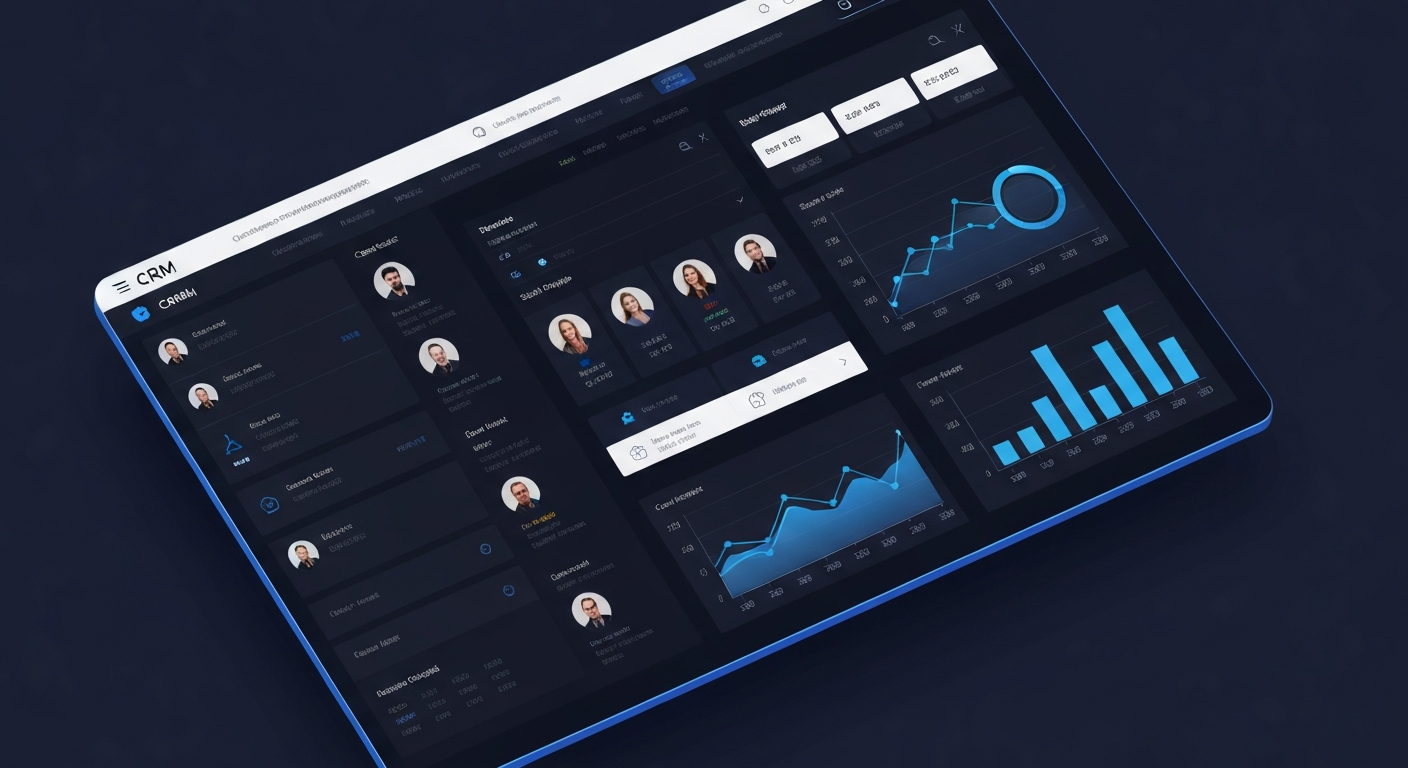
Your CRM is the backbone that tracks where every prospect is in your funnel and triggers the appropriate automation at each stage. Without a CRM, you're managing your funnel manually — which breaks down immediately when volume increases.
Analytics and Tracking
You need to know exactly where prospects are dropping out of your funnel. If 100 people download your lead magnet but only 2 become clients, is the drop-off happening between the lead magnet and the first sales email? Between the sales email and the pricing page? Between the pricing page and checkout? Each drop-off point is an optimization opportunity worth thousands of dollars when improved.
Common Sales Funnel Mistakes to Avoid
- Skipping the nurture sequence: Most prospects aren't ready to buy immediately. A good nurture sequence is what converts them over the weeks and months after their first encounter with your brand.
- Too many steps: Every additional step in your funnel reduces conversion. Keep the path from interest to purchase as short as possible while still building necessary trust.
- Ignoring mobile: Your funnel must be optimized for mobile at every stage — landing pages, emails, and purchase flow.
- Not split testing: Small improvements in conversion rate at each stage compound into dramatic revenue differences. Test headlines, CTAs, pricing presentation, and email subject lines systematically.
Building Your Funnel Fast
Building a complete, high-converting sales funnel from scratch takes time, technical skill, and significant iteration. The fastest path to a functioning funnel is working with experts who build them every day. Our Growth and AI Pro packages include complete funnel architecture, automation setup, and CRM integration — delivered in 7 days so you can start converting leads immediately.
Infrastructure Deployment
Ready to Deploy Your AI Infrastructure?
Build a scalable business operating system designed for modern growth.